
Practical ownership
5 Best Handguns for Active Executives in the U.S.
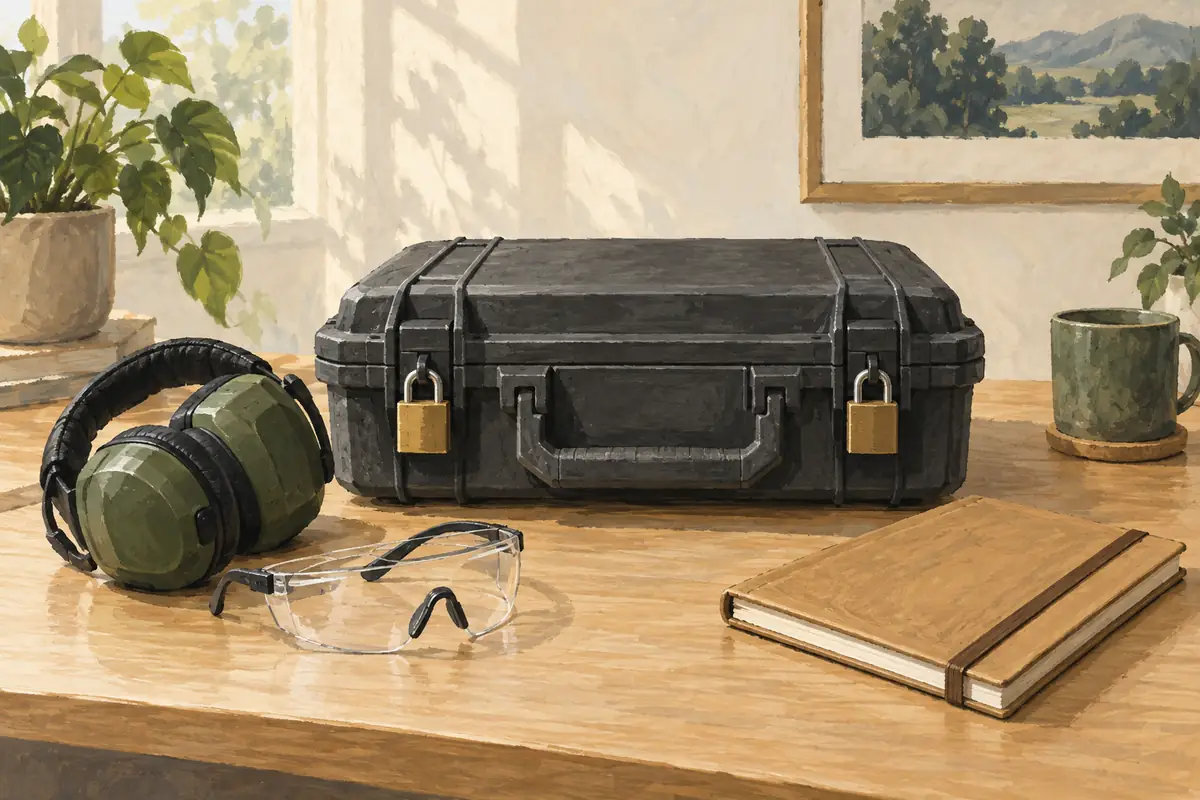
Choosing a handgun takes more than a spare hour between meetings. The right handgun should fit your hands, your training plan, and the places you can lawfully keep it. Start with those needs, then compare the details.
For an active executive, I would start with a compact 9mm pistol and a realistic first-year budget. That budget needs room for instruction, secure storage, range fees, and upkeep. An expensive finish can wait. These five picks cover useful differences in grip fit, size, factory equipment, and cost.
The M&P9 M2.0 Compact is my starting point because it offers four grip inserts and useful equipment at a mainstream price. The other four deserve a place on your shortlist if their strengths answer a need that the Smith & Wesson does not.
The best handguns on this shortlist
| Handgun | Why consider it? | Main tradeoff |
|---|---|---|
| Smith & Wesson M&P9 M2.0 Compact, 4-inch optics-ready | My first choice for adjustable fit and useful included equipment | The textured grip needs a comfort check |
| Glock 19 Gen6 | A familiar compact format with a revised grip | A new generation has a shorter ownership history |
| Walther PDP Standard Compact 4-inch | Factory controls and sights worth comparing in person | Its compact label still describes a fairly broad pistol |
| SIG Sauer P365 XL | A slimmer, lighter choice for owners who dislike bulky grips | A small frame can feel less settled in larger hands |
| HK VP9A1 K | Fine control over grip shape through rear and side panels | A higher list price and a different magazine release |
These are specific versions, not a promise that every gun bearing the same family name has the same features. Prices below are manufacturer list figures where stated, checked in September 2026. Local quotes, packages, and state-specific versions may differ.
1. Smith & Wesson M&P9 M2.0 Compact: my overall starting point
My lead pick is the black, polymer-frame, 4-inch optics-ready model, SKU 13563. Smith & Wesson lists it at $699. It includes four palm-swell grip inserts and seven mounting plates, so a buyer has useful fit choices before paying for extras.
This version has a flat-faced trigger, front slide serrations, and an Armornite finish. Its listed length is 7.25 inches and its listed weight is 25.8 ounces. It is a compact gun with enough grip to deserve a trial alongside smaller models. The selected SKU has no manual thumb safety; buyers who want one need to compare a different factory version.
I like the balance of price and fit options here. A buyer with limited free time can assess several factory grip sizes during one supervised fitting session. That is a more useful starting point than ordering an aftermarket grip before knowing what feels wrong.
The key tradeoff is grip texture. A surface that feels secure for a brief shop visit may feel rough during a longer lesson. Give comfort the same attention as features. Also make sure the quote names SKU 13563: older M&P pistols, metal-frame models, and bundled packages are separate comparisons.
I would choose this Smith & Wesson when its factory grip options suit the owner and its price leaves room for regular instruction. It earns the first slot on that practical balance, not on a claim that one handgun is best for every hand.
What I like
Four factory grip inserts; Seven optics mounting plates included.
Keep in mind
Grip texture deserves a longer comfort check; Exact SKU matters.
2. Glock 19 Gen6: a compact format with a fresh grip
The Glock 19 Gen6 keeps the compact 9mm pistol format but changes how it meets the hand. A palm swell, broader texture coverage, a larger beavertail, and a revised area beneath the trigger guard distinguish it from older versions. A flat-faced trigger and the new factory optics system are also part of the package.
Its overall length is 7.28 inches, with a 4.02-inch barrel. In his Glock 19 Gen6 review, Sean Curtis reported no malfunctions in just over 500 rounds on a test pistol at his home range. He liked the new fit but still found the trigger underwhelming. That is useful evidence from one review, not a guarantee for every example.
I would put it on the list for an owner who wants to compare a current Glock platform with the M&P. The changed shape is the reason to try this generation in person. Liking an older Glock does not settle the question, and disliking an older one does not close it.
The Gen6 reached U.S. shelves in January 2026. Its own service history is therefore shorter than the G19 name might suggest. Check the exact generation when discussing parts, accessories, or service. Broad aftermarket support is useful, but an old compatibility claim should not stand in for the maker's current guidance.
Ask for a current quote on the standard optics-ready package. Compare its complete cost with the other guns here before choosing. A low headline price loses its appeal if it crowds training and storage out of the budget.
What I like
Revised factory grip shape; Three optic plates in the standard package.
Keep in mind
Shorter history for this generation; Verify accessory compatibility.
3. Walther PDP Compact: a strong candidate for regular range visits
The Walther PDP Standard Compact 4-inch has a $699 MSRP. The standard polymer model is 7.50 inches long, 1.34 inches wide, and 5.40 inches high, with a listed weight of 24.4 ounces. Walther offers 10- and 15-round versions.
The PDP gives you prominent slide serrations, textured grip surfaces, and Walther's Performance Duty Trigger. Its optics-ready slide accepts a plate system. The current product page lists neither a mounted optic nor an included plate, so confirm the contents of the specific box and any current plate offer.
My reason to consider the PDP is the whole factory package. If the grip, iron sights, and controls feel right during a supervised trial, there may be little reason to plan changes at all. A familiar, comfortable setup is a sensible choice for someone who can attend regular lessons but has no interest in a parts project.
The dimensions matter more than the word “Compact.” Of these five, the PDP's published height is a reason to compare it carefully with the shorter SIG. Owners who prize a smaller overall package may find it bulky. Those who prefer more space around their hands may see the same size as a benefit.
Walther's U.S. limited warranty covers supported, current-production firearms even after a change of owner, with exclusions. Normal wear and damage from misuse are among those exclusions. Read the current terms before making warranty coverage the deciding factor.
I would choose the PDP when its fit and factory controls make regular target shooting more comfortable. I would pass if the buyer is trying to solve a bulk problem that this model's dimensions plainly do not solve.
What I like
Distinct grip and slide texture; Standard factory sights and optics-ready slide.
Keep in mind
Relatively tall compact frame; Current listing excludes an optic plate.
4. SIG Sauer P365 XL: the slimmer option
The SIG Sauer P365 XL is the smallest model in this group by the published overall dimensions used here. SIG lists it at 6.6 inches long, 1.1 inches wide, and 4.8 inches high. Its listed weight is 20.7 ounces and its barrel length is 3.7 inches.
The standard black model, 365XL-9-BXR3, includes two 12-round magazines, XRAY3 day/night sights, and an optics-ready slide. SIG Sauer also lists separate 10-round and manual-safety versions. Those choices should be checked by full model number, not guessed from a photo or the words “P365 XL.”
I would consider the XL for an owner who finds the other compact pistols too broad or heavy. Its smaller dimensions are a real distinction. They do not prove that it will be the most comfortable choice in use. Hand shape and the length of a lesson matter too.
This is where a trial is worth more than another comparison chart. Ask a qualified instructor to help assess fit and comfort. A lightweight gun may suit one person very well while leaving another wishing for more grip area. Neither response makes the buyer wrong.
Keep the comparison focused on the standard SIG Sauer P365 XL. The wider P365 family includes different grip lengths, finishes, and packages. If a dealer proposes a more expensive variant, ask which specific need the extra cost answers. The name alone is not a reason to spend more.
My choice here would depend on whether the smaller shape remains comfortable through supervised practice. If it does, the XL offers a clear size advantage. If it does not, I would return to one of the larger compacts.
What I like
Smallest published dimensions in this group; Factory day/night sights.
Keep in mind
Smaller grip may not suit larger hands; Check the exact model and safety configuration.
5. HK VP9A1 K: more ways to fit the grip
The HK VP9A1 K earns its place through grip adjustment. The VP9A1 family uses interchangeable rear and side grip panels, which lets an owner assess shape across the palm as well as front-to-back size. That is worth comparing if a conventional backstrap change never quite solves the fit.
HK lists the standard optics-ready K at $1,049 MSRP. Its published dimensions are 7.32 inches long, 5.12 inches high, and 1.30 inches wide, with a 4.09-inch barrel. Standard optics-ready models pair a tritium front sight with a plain, serrated rear sight.
This is the premium fit choice here, rather than an automatic upgrade over a less costly pistol. The standard 15-round package is model 81001057. Ten-round and other packages have separate identifiers and may have different prices.
Its paddle-style magazine release also deserves an in-person assessment with an instructor. Someone used to a button may find it unfamiliar. A different control layout is a reason to allow learning time, not proof of a better or worse design.
I would spend the extra money only if the adjustable grip produces a clear comfort benefit. If the M&P or PDP already fits well, a higher list price alone adds no value. Compare the cost of factory magazines and support too; the purchase price is only one part of ownership.
The HK is most appealing to the buyer who has already learned which grip shapes do not work. It gives that buyer another useful set of choices without requiring an immediate search for replacement parts.
What I like
Interchangeable rear and side grip panels; Tritium front sight on standard optics-ready models.
Keep in mind
Higher manufacturer list price; Paddle release may feel unfamiliar.
Choose a 9mm pistol around fit and time
For a busy professional, the best handgun is one that supports a routine you can keep. Start with time: how often can you take a lesson, visit the range, and carry out the maker's required care? A purchase does not create those hours. Put them in the calendar before adding optional equipment.
Use a supervised fitting session
Arrange a session with a qualified instructor and compare your two strongest candidates. Explain any concerns about hand strength, reach, discomfort, or prior experience. Let the instructor assess whether the gun fits and whether you can handle its controls safely.
Pay attention to grip texture, grip angle, and pressure around the trigger guard. Interchangeable backstraps can change the feel, but they cannot make every frame suit every person. Do not assume that the shortest barrel length or lowest weight will be easiest to live with.
Comfort at the counter is a starting point. Comfort during a supervised lesson is better evidence. If a grip causes pain or a control is hard to use safely, treat that as a reason to reconsider the model. A favorable review does not override your own fit.
Compact pistols are a middle ground
A full-sized pistol may offer more room for the hands, while a smaller frame reduces bulk. Neither size settles the comfort question. The SIG Sauer P365 XL is the slender option here; the M&P, Glock, Walther, and HK provide four different interpretations of a larger compact 9mm pistol.
Barrel length gives only part of the picture. The SIG Sauer has a 3.7-inch barrel, compared with roughly four inches for the others. Grip shape, overall height, and the space around the trigger guard can matter more to a buyer's fit assessment than that small difference in barrel length.
A heavier gun may feel steadier to one owner and tiring to another. Recoil management and manageable recoil are questions to discuss during a supervised trial, especially for a new owner. No compact 9mm pistol can promise minimal recoil for every person. Avoid treating a maker's weight figure as a prediction of your own comfort.
Leave the factory setup alone while you learn
These are striker-fired pistols, and their safety mechanisms still require proper handling. A trigger safety is not a lock, and it cannot make a loose firearm safe in a bag. Follow the exact owner's manual and use a qualified instructor to learn your model.
A lower advertised trigger weight is not a useful stand-alone reason to buy. Nor should a new owner assume a different trigger pull will solve a training problem. Keep modifications out of the first shopping list and refer service questions to the manufacturer or a qualified professional.
Understand the safety features on the exact model
A manual safety, trigger safety, and grip safety are different mechanisms. A grip safety is actuated through the grip; it is not the same as a thumb-operated lever. Ask the instructor to explain the actual equipment on the model in front of you. Do not infer it from another pistol in the same brand's range.
These five striker-fired guns also differ from designs with an exposed hammer or a double-action trigger. Those labels describe mechanical choices, not a simple ranking of safe and unsafe guns. New gun owners need instruction on their specific firearm and a secure storage plan regardless of its design.
Iron sights, night sights, and optics-ready packages
“Optics ready” means the pistol can accept a compatible sight through a specified mounting system. It does not mean a red dot is included. It also does not mean that all mounting plates, screws, or sight models are interchangeable.
The distinctions are easy to miss when comparing prices. The selected M&P includes seven plates. The Glock Gen6 package includes three. Walther's current standard PDP listing says a plate is not included. SIG Sauer and HK list several configurations, so confirm the precise package with the dealer.
I would compare the factory iron sights first. Check whether the front sight and rear sight are clear to your eyes in an instructor-led setting. Night sights, such as those on the SIG, describe a sight feature; they do not remove the need for sound judgment, safe handling, or training.
If a red dot is part of the eventual plan, include its cost and any professional fitting in the budget. Get current compatibility advice from the makers. There is no need to buy every optional feature on the same day as the pistol.
A concealed carry gun and a working week
A concealed carry gun needs to fit more than a wardrobe. It needs to fit the rules and obligations of the owner's day. A meeting schedule can include offices, client sites, events, travel, and places with their own restrictions. Work out those constraints before choosing a carry gun.
Check current rules with the relevant licensing authority, and check workplace and venue policies separately. Before any work trip, review the airline's requirements and the laws at every destination. Get qualified local advice where the rules are unclear. A general U.S. comparison cannot settle an individual trip or permission question.
For California buyers, have a licensed dealer verify the exact version's eligibility for the intended purchase. A familiar model name or a magazine with fewer rounds is not enough information to settle that question.
Home defense and secure storage
Plan storage before bringing a firearm home. Follow the manufacturer's directions, keep firearms secured against unauthorized access, and store ammunition separately. Consider children, visitors, housemates, and anyone else who might reach a storage location.
A desk drawer is not a storage plan. Neither is a bag left in an office or car. Choose an appropriate secure storage device, follow its instructions, and comply with the rules where you live. A mechanical safety on the pistol is a separate feature from secure storage.
If home defense is part of the reason for purchase, consider the whole household. Locks, lighting, communication, and a plan to call for help deserve attention too. Owning a handgun does not guarantee personal safety.
First-year cost and aftermarket support
Request a written quote for the exact model and package. Then add taxes and applicable fees, a suitable storage device, instruction, eye and ear protection, range access, and routine care. Ask what is included in the box so you do not pay twice for the same item.
The M&P and standard PDP both have $699 manufacturer list figures in the versions discussed here. HK lists its standard optics-ready VP9A1 K at $1,049. That $350 gap is a useful prompt to price training and storage before deciding that the premium model fits your budget.
For Glock and SIG Sauer, get a current dealer quote on the exact version. Avoid comparing a bare pistol with a package that includes a red dot, extra magazines, or other equipment. The two totals answer different shopping questions.
Aftermarket support matters most when it makes ownership simpler: access to appropriate service, correct factory replacement items, and clear compatibility information. It is not a reason to turn a sound factory pistol into a running list of projects.
Read the warranty terms and ask how repairs are handled. Keep your purchase documents and the model and serial information in a secure place. Check current manufacturer notices for the exact firearm, especially if buying used. A warranty is useful support, not a substitute for routine care.
Questions worth settling before you buy
Which is the best choice for a first-time owner?
I would begin with a supervised comparison of the M&P9 M2.0 Compact and Walther PDP Compact. Their different grip shapes give the buyer a useful contrast. Add the SIG Sauer P365 XL if the larger frames feel too bulky. The final choice should follow fit, local requirements, and a training plan.
Can one pistol cover range visits and lawful concealed carry?
A compact 9mm pistol can be a candidate for both, but there is no universal answer. The owner must assess comfort, safe handling, lawful use, and storage. A pistol chosen mainly for target shooting may suit a different routine from one intended as a daily carry gun.
Does magazine capacity make one model the winner?
No. Magazine capacity is one specification among many, and available versions vary. Compare the lawful factory configuration you can actually purchase. Fit, instruction, and secure storage deserve more attention than treating the largest number as a score.
The standard SIG Sauer P365 XL discussed here comes with 12-round magazines. Walther lists 10- and 15-round PDP Compact versions, and HK also lists distinct 10- and 15-round K packages. An extended magazine can change dimensions and compatibility; it should not be mixed into a comparison of standard factory packages without saying so.
Is the most expensive model the most reliable?
Price does not establish reliability. A published test provides evidence about the sample and conditions involved. It cannot promise that every unit will perform the same way. Read exact-model reviews, check manufacturer notices, and follow the maker's maintenance and service advice.
The choice I would make first
I would start with the M&P9 M2.0 Compact for its factory fit options and balanced cost. I would compare the Glock 19 Gen6 for its revised grip, the PDP for its factory controls, the P365 XL for its smaller dimensions, and the HK for more grip adjustment.
Choose the model that fits comfortably, meets your local requirements, and leaves room for instruction and secure storage. For a busy executive, a repeatable ownership routine is worth far more than an impressive product name.