
Trail gear
The best hiking hats for long, sunny days
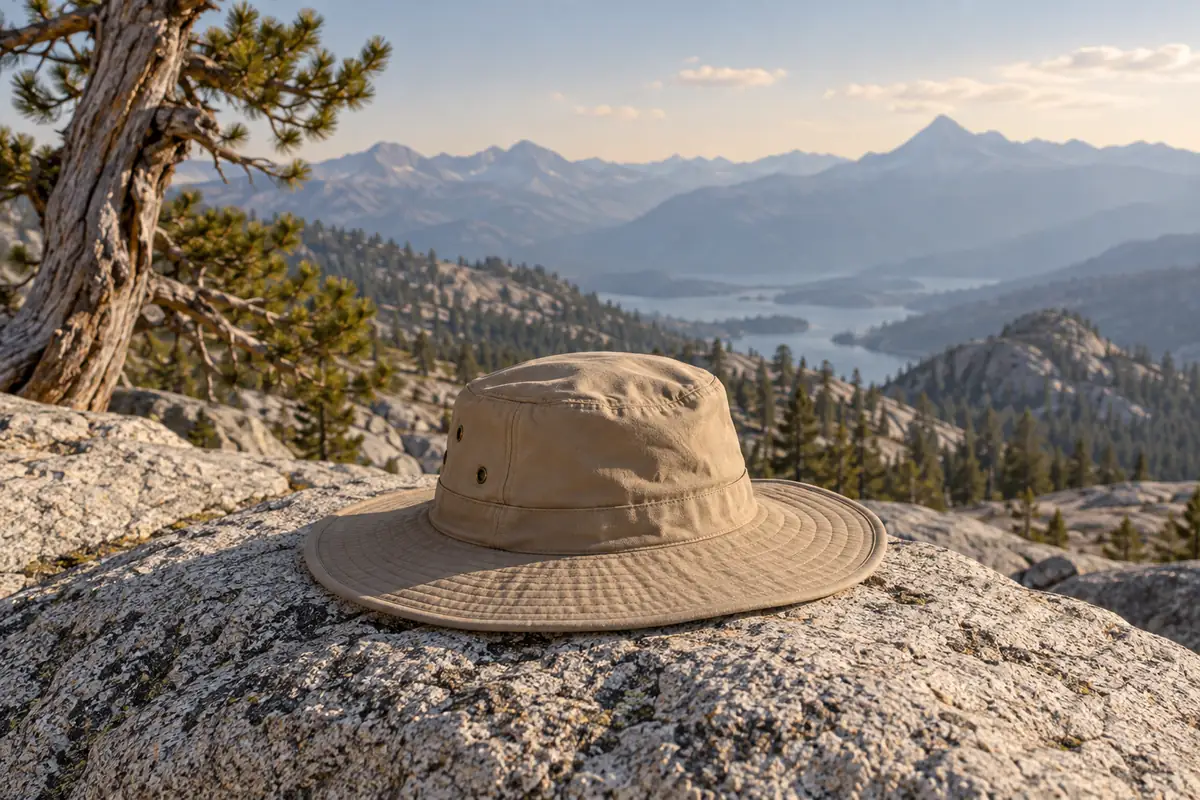
A sun hat has one job that matters more than how it looks: keep useful shade on you while you move. That sounds easy. Then the wind lifts the brim, the back of the hat hits your pack, or a strip of mesh sits in full sun. The best hiking hats solve different parts of that problem.
I would start with neck coverage for long, open trails. A light cap can feel good in the trees, but it leaves a lot of skin bare when the path climbs out of them. My four picks range from a packable sun hat with a cape to a more structured hat that works just as well at lunch after the hike.
Find your kind of shade
| Hat | Best for |
|---|---|
| Sunday Afternoons Ultra Adventure | Long sunny hikes where a neck cape earns its place |
| Columbia Bora Bora II | A lower-cost, all-around brim for short and moderate walks |
| North Face Horizon Breeze Brimmer | A vented crown and simple fit for warm days |
| Tilley LTM6 Airflo | A structured sun hat for the trail and the rest of the day |
The first choice is shape. A cape hat gives the back of your neck a separate layer of shade. A wide brimmed hat shades around the head with less fabric at the nape. Neither keeps every ray off your face as the sun moves.
1. Sunday Afternoons Ultra Adventure Hat
I put the Ultra Adventure Hat first because its coverage and packing design make sense together. The 3.5-inch front brim shades the face, while a six-inch cape covers the back of the neck. The folding brim lets it take up less room when clouds roll in.
Sunday Afternoons lists a weight of 2.6 ounces and a UPF 50+ rating that includes the mesh. There is a chin strap, an adjustable fit, and small slots that hold sunglasses at the crown. Those are useful details in a sun hat meant to stay with you all day.
The tradeoff is the neck cape itself. Some people dislike fabric near their collar, and a cape can move about in a breeze. I would choose the Ultra Adventure for exposed trails, then check that the fit feels calm with a full pack on. Do not assume a new one will fit exactly like an older hat from the same brand.
Choose it for: long walks with little shade. Pass if: you strongly dislike a neck flap.
What I like
Long neck cape; Folding brim.
Keep in mind
Cape can feel fussy; Fit deserves a fresh measurement.
2. Columbia Bora Bora II Booney
The Bora Bora II is my budget sun hat pick for someone who wants a simple brim without a cape. Columbia gives it a three-inch brim, a sweat-wicking band, a rear fit toggle, and a chin strap. You get useful ways to hold it in place without paying for a more complex hat.
There is one detail I would not miss: Columbia's UPF 50 claim does not cover the mesh. Mesh panels can help air move, but open parts of a hat deserve a close look when sun protection is the main reason you are buying it.
I like this shape for local walks, shaded trails, and days when a full neck cape would spend most of its time tucked away. For hours on a bare ridge, I would still favor the Ultra Adventure Hat's extra coverage.
Choose it for: a modest budget and a familiar booney shape. Pass if: you need a long neck flap built into the hat.
What I like
All-around brim; Adjustable chin strap.
Keep in mind
Mesh is not covered by its UPF claim; No neck cape.
3. The North Face Horizon Breeze Brimmer
The Horizon Breeze Brimmer Hat suits a reader who wants ventilation but prefers the look and feel of an all-around brim. The current US model has a recycled nylon body, a wicking sweatband, and an adjustable chin strap. It comes in two size ranges, with a cord to refine the fit.
The North Face lists UPF 50 for this version. Check the exact model and region when shopping, since similar names can lead to different listings. A familiar name on the label is not enough to confirm a sun hat's details.
My reservation is the same one I have with many brimmed hats: the back brim has to share space with your pack. Try it while looking uphill. If the brim pushes forward each time you lift your chin, the fit is wrong for that setup.
Choose it for: warm day hikes with a low pack. Pass if: you want the added neck protection of a cape.
What I like
Vented crown; Two size ranges.
Keep in mind
No neck flap; Rear brim may touch a tall pack.
4. Tilley LTM6 Airflo
The LTM6 Airflo is the one I would consider if the same sun hat needs to cover a trail walk, a market stop, and time by the water. Its structured shape feels less like specialist trail gear. The brim is 3.5 inches at the front and back, with narrower 2.5-inch sides.
Tilley lists UPF 50+, a vented crown, recycled nylon fabric, and a weight of four ounces. The wind cord and small hidden pocket are useful touches. The price is higher than the other hats here, so I would buy it for the shape and fit, not because a dearer hat must give better shade.
A Tilley hat has its own fit guidance. Measure, read that guidance, and leave room for a comfortable fit instead of pulling the hat tight against your forehead. The firm shape also takes more space than a soft cape hat with a folding brim.
Choose it for: a structured everyday sun hat. Pass if: small packed size is your main concern.
What I like
Wide front and rear brim; Detailed size choices.
Keep in mind
Higher price; Bulkier than a folding cape hat.
A high UPF rating is only part of sun protection
UPF describes how much ultraviolet light passes through a fabric. It does not describe how much of your head that fabric covers. A highly rated ball cap still leaves your ears and neck exposed.
The CDC's sun safety guidance favors a brim that shades the face, ears, and back of the neck. It also recommends using hats with clothing, shade, and sunscreen. That is a better plan than asking one piece of gear to do everything.
Look at the gaps
Hold a hat up and study where the fabric ends. Side mesh, a rear opening, and a short brim can leave gaps. A hat can have a strong sun protection rating and still leave the lower cheeks in direct sun at some angles.
I look at coverage before small features. Sunglass slots are handy. A hidden pocket can be nice. Neither fixes a brim that does not shade the parts of your face you want covered.
Watch the brim from the side
A wide brim can look huge from the front yet offer less shade at the sides. Turn sideways in a mirror. Look up and down. The useful part is the shade you keep as you walk, not the outline of the hat when it sits on a table.
Do not count on a hat alone
Low sun can reach under the brim. Light also reflects from water, pale rock, and snow. Add sun protection for exposed skin and eyes, even when your hat seems to cast a deep shadow. On a hot day, a hat is no substitute for water, shade, or a sensible turn-around time.
Cape, bucket, or cap?
The best hiking hats are not all built around the same trip. Start with the amount of sun and the gear you already wear. Then choose the least fussy shape that gives you the coverage you need.
A neck cape for exposed trails
A neck cape is useful when a trail stays open for hours. Soft fabric hangs below the back of the hat, where a rigid brim might bump against a tall pack. That is why the Sunday Afternoons Ultra Adventure leads my list.
The cape should fall over your collar without pulling on the crown. Check it with your shirt, jacket, and pack. If the cape bunches up at the nape, it may feel warm even though the hat itself is light.
Bucket hats for easy packing
Bucket hats tend to use a softer, more compact shape. That makes them easy to put in a bag. The weak point is often brim width. A small bucket hat may shade your forehead well while leaving the ears and neck with less cover.
Some wide brimmed bucket hats give more shade, but names are loose. Judge the actual brim. A stylish hiking hat still has to work as a sun hat when you are several miles from the car.
Ball caps for shade and speed
A classic ball cap can be a good fit for a shaded trail or a run where you already have a sun hood. It is easy to wear under some hoods and less likely to hit the top of a backpack.
On its own, it gives limited sun protection at the sides and rear. I would not choose a ball cap as my only cover for a long desert walk. If you prefer one, plan separate protection for the ears and neck.
Straw hats need a close look
A broad straw hat can cast a fine shadow, but a loose weave lets light through. The CDC advises against straw hats with holes for that reason. A tightly woven fabric with a clear rating is easier to judge.
There is also the packing problem. A stiff straw hat can be awkward with a backpack, and crushing it may change the shape. Keep the hat you love for the places where its limits do not get in the way.
Fit the hat with the rest of your gear
A comfortable hat stays put without leaving a deep band across your forehead. Head size is a useful start, but crown depth matters too. A tall crown and a shallow crown can feel quite different at the same listed size.
Measure before choosing a size
Use a soft tape around the part of your head where the hat will sit. Keep it level. Compare that number with the current chart for the exact hat. If you fall between sizes, follow the maker's guidance rather than guessing.
Leave the tags on while you check the fit indoors. Wear the hat for more than a few seconds. A pressure point that is easy to ignore in a mirror can be hard to ignore on a long climb.
Try the uphill head tilt
Put on a loaded pack. Look up as if you are reading a trail sign above you. Then turn your head left and right. A back brim that hits the pack may push the hat down over your eyes.
This issue also comes up in hikers' discussions of sun hats, along with strong but conflicting views on which shape feels best. Those comments make a useful point: fit the hat to the person and the pack. No brand wins that question for everyone.
If you are choosing both pieces of gear, use the fit checks in my guide to hiking backpacks for day and overnight trips. A lower lid or a different pack size can change how much space the brim has.
Check the glasses and ears
Wear your usual sunglasses during the fit check. Thick arms can press against a snug hat band. The crown should not push the glasses down your nose, and the side brim should not fold into the frames each time you turn.
Use the chin strap without overtightening
A chin strap is there to help retain the hat. It should not be the only thing holding a badly sized crown in place. Start with a sound fit, then adjust the strap so it does not swing into your face.
What changes on a windy trail?
A large brim catches air. A soft brim may bend; a firm brim may pull the whole hat upward. Neither design wins in every wind. The key is whether the brim still leaves you a clear view.
I would trade a little brim width for a stable fit on a route that stays gusty. Keep the neck covered another way if needed. Stop to adjust the hat before a tricky section, and put it away if it keeps blocking your sight.
Packability is about the brim, too
A packable hat is useful only if it comes back out in a useful shape. Follow the intended fold. A split or folding brim is designed to bend in a certain place; a firm brim may not be.
Do not force a hat into the bottom of a full bag. Put it where the brim will not take the weight of a water bottle or cook pot. Small habits can save a good hat from a permanent crease.
Airflow matters more than a long feature list
Lightweight fabrics, mesh panels, and a loose enough crown can all affect how a sun hat feels in warm weather. More vents do not always mean a better hiking hat, especially if they trade away the coverage you need.
Think about your pace. Someone moving slowly with a child may value steady shade. Someone climbing hard may care more about airflow and a sweatband that does not feel soggy. There is room for both choices.
A rain hat is a different purchase
Water resistant fabric may shed a brief shower. It does not make every sun hat a waterproof hat. In steady rain, a jacket hood is often the more useful part of the system, provided you can still see and hear well.
For trips where wet weather is likely, pair that upper-body cover with suitable waterproof hiking pants. A sun hat's light rain performance should not decide your whole rain setup.
Keep the hat worth wearing
Read the care label before washing. Some hiking hats can go through a gentle machine cycle; others need hand washing. The brim, sweatband, and hidden stiffeners may need different care from a plain shirt.
Rinse salt and sweat when the label allows, reshape the hat, and let it dry fully before putting it away. Avoid high heat unless the maker calls for it. Check the chin cord and seams now and then, especially before a longer trip.
Small details that change a long day
The best hiking hats balance sun protection with low weight and airflow. Once those basics are right, the smaller details can make one sun hat easier to live with. I would give these features a quick check before paying for a long list of extras.
A sweatband that earns its space
A wicking sweatband moves moisture away from the spot where it first collects. That can help keep sweat from running into your eyes. It cannot dry faster than the surrounding air allows, so even a good band may stay damp in humid weather.
Feel the seam at the front of the band. That is where a rough edge can press for hours. On breathable hats with mesh panels, check both the soft band and the mesh edge. A vent is less useful if the seam below it makes you take the hat off.
Nylon, polyester, or cotton?
Nylon and polyester generally dry faster than cotton of similar weight. That makes them useful for hiking hats that get wet with sweat or a brief shower. Thin synthetic fabrics can also keep a sun hat light, though the weave and construction matter as much as the fiber name.
Cotton can feel pleasant on an easy, dry walk. It tends to hold more water when soaked. I would favor a quick-drying fabric for backpacking trips where the same hat has to be ready each morning. Check the whole hat, since a thick band can stay wet after the crown dries.
A chin cinch you can reach
Try moving the chin cinch with one hand. It should slide when you mean to adjust it and stay put when you do not. A thin cord may be light but harder to grip with cold fingers. Tuck away loose cord ends so they do not catch on a pack buckle.
The best sun protection comes from a hat you can keep wearing. A chin strap helps with retention when the wind picks up, but it cannot promise that a hat will never blow off. If a brim keeps folding across your eyes, stop and sort out the fit.
A foldable brim for a small bag
The Sunday Afternoons design folds in half along its intended split. That is a useful form of packability: the brim has a planned bend instead of an accidental crease. Put the folded hat near the top of the bag where you can reach it when shade ends.
A flexible brim and a foldable brim are not always the same thing. Soft brimmed hats may roll; others should lie flat. With the more structured Tilley hat, I would leave a flat space and follow the care directions. Do not expect every sun hat to survive being crushed under a full load.
What is worth paying for in a hiking hat?
The four prices span a useful range. At the time of writing, the linked US listings show $32 for the Columbia, $50 for the North Face, $60 for the Sunday Afternoons, and $99 for the Tilley. Size, color, and stock can affect what is available when you shop.
The best budget sun hat here
I would start with the Columbia if price is the main concern. Its chin strap and broad brim cover the basics, without the higher price of a structured trail-to-town hat. Budget hiking hats can have strong UPF ratings, so price is not a reliable measure of how much sun protection the rated fabric provides.
Read the limits of the rating just as closely on cheap and costly hats. The Columbia's mesh exception still matters. A lower price is useful only if the hat meets your needs, and a higher price does not make an uncovered neck disappear.
Pay for coverage you will use
The Sunday Afternoons hat costs more than the Columbia, but the reason to spend that difference is clear: a longer neck cape and a foldable brim. I would value those on exposed hikes. For brief walks under trees, I might never use enough of the extra coverage to justify changing a hat I already like.
Pay for style when it keeps the hat on
The Tilley is the most stylish hat of these four to my eye. Its shape works with everyday clothes as well as outdoor gear. The Sunday Afternoons hat looks more purpose-built for shade. Neither look is a flaw; they suit different days.
A quality hat should feel worth wearing beyond the moment you buy it. If you want one sun hat for lunch outside and a gentle trail, style can be a sound part of the choice. Just check coverage before treating good looks as proof of good sun protection.
How wide should a hiking hat brim be?
The Skin Cancer Foundation's clothing guidance recommends a brim at least three inches wide. It also explains that UPF 50 fabric lets through one-fiftieth of UV radiation, which means it blocks 98 percent. That figure applies to the fabric, not every patch of skin around it.
Measure the narrow side
Wide brimmed hats do not always have the same width all around. A large front brim can sit beside much narrower side panels. For sun coverage at the ears, the side width matters. For the back of the neck, look at both the rear brim and any cape.
The LTM6 shows why dimensions matter: its front and rear brim are wider than its sides. The Sunday Afternoons uses a different approach, with a cape below the rear crown. These are useful distinctions when comparing the best hiking hats for a particular route.
Remember the moving sun
No brim gives full sun protection from every angle. UV rays can reach under wide brimmed hats as you turn, bend, or walk beside reflective surfaces. Keep the rest of your sun protection plan in place. Shade over your eyes does not prove your entire neck is covered.
Do not reshape a brim just for a photo
Turning up the sides of brimmed hats can look neat, but it changes their shade. Judge the shape you will wear on the trail. A hat shown with a broad, flat brim may give less cover once you curl it away from your ears.
Choose hiking hats for the pace you keep
For slow walks with long stops
A long lunch stop can mean more sun exposure than the walking part of a short outing. Keep the sun hat nearby when you stop, and seek shade. I would choose stable brimmed hats with useful side coverage for these days, rather than chase the lowest weight.
For trail running
Trail running adds bounce and quicker turns. A shallow crown or loose fit can become annoying fast. Try a gentle jog during the indoor fit check if the space allows it. A small cap may stay out of the way, but it leaves more skin for other sun protection to cover.
For a mix of walking and trail running, I would value a secure fit and a brim that stays clear of my eyes. The best hiking hats for a slow ridge walk may not be the ones you like at a faster pace.
For travel with a single small bag
A packable sun hat with a foldable brim is easy to bring even when space is tight. That favors the Sunday Afternoons choice here. A structured sun hat or stiff straw hat may need to be worn in transit or given a protected spot in the bag.
For a wet forecast
Water resistant finishes are useful for a passing shower. Waterproof hats use a different construction and can feel warmer. Do not assume mesh panels become rainproof because the surrounding fabric sheds drops. Most of these hiking hats are better judged for shade than for a full day of rain.
A few last buying questions
Is a more expensive sun hat worth it?
Only if the extra cost buys something you will use: a better fit, useful coverage, a folding brim, or a shape you enjoy wearing. A cheaper hat with sound fit can be a better choice than a costly hat that stays in the closet.
Can one hat cover every California hike?
It can cover many fair-weather walks. It may not be enough for cold, high winds, snow, or hard rain. Plan for the route and forecast, then treat the hat as one part of your clothing.
Which would I choose first?
For a sun hat bought mainly for hiking, I would choose the Sunday Afternoons Ultra Adventure Hat after checking the fit. The neck cape and folding brim solve real trail problems. If you dislike the cape, the Columbia Bora Bora II is a simpler place to start. The right hat is the one that keeps useful shade on you and is comfortable enough to stay on.