
Trail gear
The best waterproof hiking pants when the rain stays
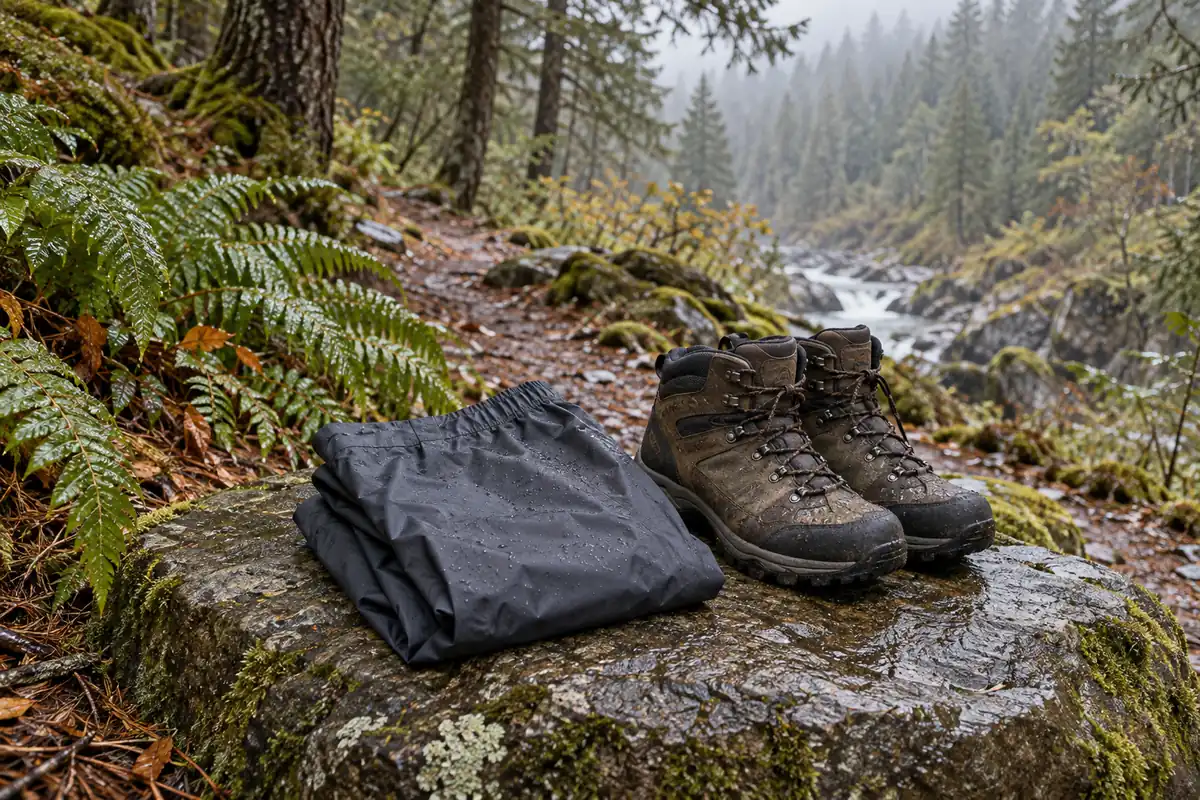
Rain pants are easy to forget until water starts running into your boots. The best waterproof hiking pants are the pair you can pull on in time, move in, and keep wearing without trapping too much heat. That makes fit and leg zips almost as important as the fabric.
I would choose a proper rain shell for steady wet weather. Most everyday hiking pants shed a short shower at best. Once rain keeps falling, a water resistant finish cannot do the work of a waterproof layer with sealed seams.
These three picks are overtrousers. Wear them over your normal trail clothes when needed, then take them off when conditions allow. The specifications below refer to the linked men's versions, since weight, cut, and leg length can change across versions.
Three rain pants, three clear uses
| Rain pants | Why I would choose them |
|---|---|
| Patagonia Torrentshell 3L | Three-layer fabric and long, two-way leg zips for repeat wet-weather use |
| REI Co-op Trailmade | A simpler, lower-cost shell to keep ready in your pack |
| Rab Downpour | A light shell with three-quarter zips for easier boot access |
None of these rain pants makes sweat disappear. A shell can stop rain and still feel damp inside during a climb. I put a lot of value on getting the right fit and using vents before heat builds up.
1. Patagonia Torrentshell 3L Rain Pants
The Torrentshell 3L is my first choice for regular use in wet weather. Its three-layer build has a fabric backing, and the side zips run from the cuffs to the thighs. The two-way zips let you open space for air while keeping part of the leg closed.
Patagonia lists the current pair at 11.8 ounces. The 50-denier face fabric uses recycled nylon, and the fabric, membrane, and water repellent finish are made without intentionally added PFAS. There are two hand pockets and a choice of regular or short length.
These are not the lightest rain pants here. I would accept that extra weight for the backing and useful zips on a trip where I expect to wear the shell often. For a dry forecast and a short walk, a lighter pair may make more sense.
Choose them for: repeated wet hikes. Tradeoff: more weight in the pack. The zips are cuff-to-thigh, not full-length waist-to-cuff zips.
What I like
Three-layer fabric; Cuff-to-thigh two-way zips.
Keep in mind
Heavier than the other two pairs; No shell prevents all sweat.
2. REI Co-op Trailmade Rain Pants
The Trailmade Rain Pants make sense when price matters and you want a shell you will actually bring. REI lists a 2.5-layer build, sealed seams, a drawcord waist, and a weight of 9.5 ounces. Short, regular, and tall inseams help you avoid buying a waist size just to get the right leg length.
The eleven-inch ankle zips are the main compromise. They open the cuffs, but they give less access and less vent space than the long zips on the other two pairs. Try them over the exact hiking boots or trail runners you plan to wear.
There is one rear zip pocket and no front hand pockets. I do not mind that in a spare shell, but it matters if you expect the rain pants to hold your usual small items.
Choose them for: a lower-cost rain layer that spends much of its time packed. Tradeoff: shorter zips and fewer pockets.
What I like
Simple light design; Three inseam choices.
Keep in mind
Shorter ankle zips; No front pockets.
3. Rab Downpour Waterproof Pants
The current Downpour Waterproof Pants are my middle choice: light enough to carry easily, with long side zips that give you more room to get them over boots. Rab lists a medium pair at 9.3 ounces and uses a 2.5-layer, 50-denier Pertex Shield fabric.
The zips run three-quarters of the leg. A storm flap can stay closed while the zip opens for air. Shaped knees, an extended gusset, and an adjustable hem are practical details for stepping up onto rocks without dragging loose cuffs.
Rab offers short, regular, and long lengths. I would compare the chart with your normal hiking pants, then check the fit over the layers you expect to wear. A lighter backing can save weight, but I still prefer the Torrentshell's three-layer build when long days in the shell are likely.
Choose them for: a light shell with easier boot access. Tradeoff: a lighter backing than a three-layer pair.
What I like
Three-quarter side zips; Shaped knees.
Keep in mind
Lighter backing than a three-layer shell; Fit still needs checking over layers.
Waterproof is different from water resistant
The words sound close, but the difference matters on a wet trail. Water resistant hiking pants can shed a little rain. Waterproof rain pants add a barrier designed to keep water from passing through, with sealed seams to close the needle holes.
REI's guide to rainwear explains the difference between waterproof, breathable, and water resistant clothing. For hiking, the useful combination is a rain barrier that can also let some moisture escape. Even then, effort and weather can overwhelm that process.
The finish is not the whole rain barrier
A durable water repellent finish helps drops bead on the outer fabric. It does not turn a pair of ordinary hiking pants into rain pants. Think of the finish and the waterproof layer as two parts with different jobs.
When the face fabric gets soaked, a shell can feel cold and clammy. That does not prove water has passed through the inner barrier. Check where the dampness is and whether you were sweating before deciding the pants leak.
Seams need protection too
A waterproof fabric is only part of the garment. Seams, zips, and openings give water other ways in. Look for seam sealing and sensible storm flaps, then keep the waistband under your rain jacket so runoff stays outside.
Soft shell pants serve another purpose
Soft shell hiking pants often offer stretch and some weather resistance. They may be a good choice for cool, active days. I would not treat them as a substitute for rain pants when the forecast calls for hours of steady rain.
What do two-and-a-half and three layers mean?
These names describe fabric construction, not how many pairs of pants you need to wear. A 2.5-layer shell has an outer fabric, a rain barrier, and a thin protective treatment on the inside. A three-layer shell adds a fabric backing bonded to the barrier.
That backing is one reason I lean toward the Torrentshell for frequent use. A lighter construction has its place too, especially when the pants sit in your bag most of the day. Weight alone does not tell you which pair will feel better.
Do not buy a number without a use
Waterproof and breathability numbers look tidy in a table. They are less tidy across brands that use different tests. I would not rank two shells by one number unless the test method and conditions matched.
Ask a simpler question: can you move, open a vent, and fit the shell over your clothes? Those are things you can check before leaving home. A very high fabric rating cannot fix cuffs you cannot get over your shoes.
Leg zips can decide whether you use the pants
Rain often arrives while you are already wearing boots and a full pack. Stopping to remove wet shoes is slow and awkward. Long side zips can make the change easier, though they add weight and parts that need care.
Short ankle zips
Ankle zips widen the lower leg. They may work well over slim trail runners and some boots. They offer less room around bulky footwear, so test the whole move at home instead of relying on the zip length alone.
The REI Trailmade rain pants use this simpler approach. It is a fair compromise for a backup layer. It is less appealing if you expect to put the pants on and take them off several times in a day.
Long side zips
The Rab Downpour's three-quarter zips and the Torrentshell's cuff-to-thigh zips open much more of the leg. That helps with boot access and gives you a place to release excess heat.
Open vents with some care. If rain is blowing sideways, the same gap that lets air out can let water in. Adjust the opening to the weather, your pace, and the shelter offered by the trail.
Full-length zips
Some rain pants open all the way from cuff to waist. That can be useful over large boots, but it is not a feature every hiker needs. More zip also means more weight and a longer closure to manage.
I would choose full-length zips for a clear reason, such as footwear that will not pass through shorter openings. For normal three-season walks, the long zips on the two picks above may be enough.
Try rain pants over the clothes you will wear
Rain pants need room for layers and movement. They should not be so loose that the cuffs catch under your shoes. A neat fit in the store means little if you only tried them over underwear.
Start with the waist
Wear your normal trail pants or shorts. Set the shell's waist where it will sit under your pack belt. Check that the drawcord and belt do not press into the same spot.
A pack's hipbelt can hold the shell up, but it should not have to. If the pants slide down without the pack, the fit needs work. If the waist digs in before the pack goes on, it will not improve under a load.
Step high and crouch
Lift one knee as if stepping onto a rock. Then squat. Look for pulling across the seat, knees, and inner thighs. Shaped knees and a gusset can help, but your body and base layer still decide the fit.
Check the cuffs from every angle
Rain pants should cover the boot tops without hanging under the heels. Walk up a few stairs if you can. A cuff that drags on flat ground may catch even more easily on rough terrain.
Use the hem adjustment to control loose fabric. Do not pull it so tight that it strains the leg or traps all air. The aim is a cuff that stays clear of your feet and sheds water outside your footwear.
Check the pack at the same time
Rain gear and pack fit share space at the waist. If you are changing both, my hiking backpack guide explains how to check a hipbelt with a real load. A good shell can feel poor under a badly fitted pack.
Why do waterproof pants still feel wet inside?
Sometimes they leak. Sometimes you sweat faster than moisture can leave the shell. Water can also enter at the waist or cuffs. The location of the dampness matters more than the word waterproof on the tag.
A wet seat after sitting on a soaked surface calls for a different check from damp legs after a steep climb. Dry the pants fully, inspect the fabric and seams, and follow the maker's care advice. Do not assume every damp patch has the same cause.
Vent before you are too hot
Start opening a zip or slowing your pace when you first feel heat build up. Waiting until your base layer is soaked makes the next cold stop less pleasant. A shell manages weather; it does not manage your pace for you.
Read user comments with the trip in mind
The discussion about water-resistant hiking pants is a useful reminder that people use similar words for very different needs. A warm day hike, a cool coastal walk, and a week of rain do not call for the same balance of breathability and cover.
On REI's Trailmade page, one user describes staying protected from rain while still feeling damp from body heat. Another dislikes the lack of front pockets. Those are different tradeoffs, and neither tells you how the pants will fit your own trip.
Match the shell to the California trip
I would rather pack for the specific route than buy one pair around a broad label such as California weather. A coastal trail, a high pass, and a dry inland walk can ask very different things of your clothes.
Coastal rain and wet brush
If the plan includes hours in rain or repeated contact with wet plants, give comfort in the shell more weight. Longer vents, a good waist, and cuffs that stay put may matter more than saving two ounces.
That is the use that pushes me toward the Patagonia Torrentshell 3L. Keep the fabric away from sharp branches where you can. Rain pants are not brush armor.
A mountain trip with changing weather
For a trip where rain gear may go on and off, easy boot access helps. Put the shell in a reachable pocket, separate from the dry clothes. The Rab Downpour is worth a look for that balance of weight and zip length.
A mostly dry day with a chance of rain
A simple pair can be enough if it fits and the trip has a safe plan for bad weather. I would rather bring a modest shell than leave a heavier pair at home because the bag feels full.
Do not let a dry start hide the rest of the forecast. If the sun comes out later, keep a hiking hat with useful shade within reach too. Changing layers is part of a comfortable day.
What about a rain kilt or poncho?
A rain kilt wraps around the hips and leaves more air around the legs. It can suit mild weather and open trails, but wind can move it and your lower legs stay more exposed. It is a different compromise from full rain pants.
A poncho can cover the upper body and part of a pack. It can also catch wind and leave the legs wet. I would choose it around the route and weather, not assume it replaces every part of a rain system.
Neither is my first choice for cold, sustained rain where full leg coverage matters. For a short warm shower, some hikers may find either more comfortable than a closed shell. Personal comfort does not remove the need for a safe weather plan.
Help rain pants last
Start with the care label. Dirt, body oils, and harsh washing can affect performance. Use the type of cleaner and drying method the maker recommends. Do not add fabric softener unless the instructions expressly allow it.
Dry before storage
Take the pants out of their stuff sack at home. Open the zips and let the inside dry too. A wet bundle left in a closet is a poor start for the next trip.
Check high-wear spots
Look at the seat, knees, cuffs, and inside seams. Small tears and loose seam tape deserve attention before another wet day. Use a repair method suited to the shell rather than covering every problem with the first tape you find.
Restore beading when needed
If the outside soaks up water, follow the maker's cleaning and water repellent care steps. Restoring the finish may help the face fabric shed drops again. It will not mend a hole or repair a damaged inner barrier.
Compare what goes in the pack
The best rain pants are not always the ones with the most features. Here is how these three compare using the current linked US versions. Weights are the makers' listed figures, not the weight of every size.
| Rain pants | Price and listed weight |
|---|---|
| Patagonia Torrentshell 3L | $139; 11.8 ounces |
| REI Trailmade rain pants | $79.95; 9.5 ounces |
| Rab Downpour | $110; 9.3 ounces in medium |
What the extra money buys
The Trailmade pants are the lowest-cost pair here. The Rab adds longer zips at a higher price. The Patagonia adds a bonded inner fabric and two-way vents. I would spend more only when those features solve a problem on the trips I take.
For rain pants that mostly stay in a bag, the REI option is a sensible starting point. For repeated days in a shell, I would give the Patagonia Torrentshell 3L a closer look. No price tag can tell you how a pair of rain pants will fit over your own hiking pants.
Small weight gaps need context
The Rab and REI figures differ by just two-tenths of an ounce. That is too small a gap to decide this purchase for me. Longer vents, the right inseam, and a waist that stays put have more value than that tiny difference.
The Patagonia is a little over two ounces heavier. That is a clearer tradeoff, but still only one part of the load. On a backpacking trip, compare the full rain gear system: rain jacket, rain pants, and any separate dry bags or covers.
Should you choose ultralight rain pants?
Ultralight rain pants make the most sense when low packed weight matters and you accept fewer features or lighter fabric. They may be good hiking rain pants for a trip where the shell is a backup. They are not automatically the best rain pants for hours of wear each day.
Decide what you can give up
Weight savings can come from shorter zips, fewer pockets, thinner fabric, or a simpler waist. Before choosing ultralight rain pants, decide which of those changes you can live with. A shell that is slow to put on may stay packed until your hiking pants are already wet.
I would keep easy boot access for a route with frequent showers. I could more easily give up zippered pockets, since a rain jacket or pack may already hold my small items. The best ultralight rain pants for you depend on those habits.
Match thin fabric to the route
A thin face fabric can be easier to carry, but dragging it through thorns or over rough rock is asking a lot. Durable rain pants still need care, and denier alone does not measure tear strength. Fabric, weave, seams, and wear all matter.
For open paths, a lightweight pair may be enough. For wet brush and repeated kneeling, I would favor a sturdy pair and keep sharp edges away from it. Do not buy ultralight rain pants as work pants for clearing a trail.
Compare the packed bundle
Packable rain pants should fit where you can reach them. Check whether the supplied weight includes a stuff sack and whether the pants pack into a pocket. You do not need to force them into the smallest possible ball every time.
A loose, simple bundle can be faster to grab in a shower. Keep the rain pants outside the sealed bag that holds dry sleep clothes. After use, do not put wet rain gear against the sleeping bag just because both fit in one space.
Read the fabric details without getting lost
The outer face fabric
The face fabric takes contact with brush, knees, and pack straps. It also holds the durable water repellent coating that helps water bead. A strong outer fabric is useful, but the waterproof barrier and seam tape still do different work underneath.
The inside backing
A three-layer shell bonds fabric to the inside of the rain barrier. That gives the barrier more cover against rubbing from your layers. A 2.5-layer shell uses a lighter protective treatment. This is a construction difference, not proof that every three-layer pair breathes better than every lighter pair.
My preference for the Torrentshell rests on that fabric backing and the long zips together. I would not claim it cannot snag or tear. Even durable pants can be damaged by a sharp branch, a crampon point, or a fall on rough stone.
Waterproof ratings
Rab lists a 20,000 mm waterproof rating for the Downpour fabric. That describes a lab test of resistance to water pressure. It is useful evidence about the material, but it is not a promise about how long every seam or opening will stay dry in every storm.
Do not treat the absence of a directly comparable number as proof that another shell is weaker. Different brands can use different test methods. Fit, condition, vents, and how you wear the shell all affect real rain protection.
The water repellent finish
A durable water repellent finish wears with use. When drops stop beading, clean and care for the shell as directed. A soaked outer surface can make breathable fabric feel less pleasant even when the rain barrier remains sound.
Water resistance and waterproof construction are not interchangeable. Adding a water repellent treatment to traditional hiking pants does not seal their seams or give them a hidden rain barrier. Use a proper pair of rain pants when the route calls for sustained rain protection.
When should the rain pants go on?
Before a cold soaking
If cool rain has settled in, I would put the shell on before the hiking pants become soaked. Start in a sheltered spot where you can manage the zips and pack. Waiting for wet legs to become cold leaves less room to sort out a poor fit.
During a steep, humid climb
Humid weather makes it harder for moisture to leave rain gear. The air inside and outside may both be damp. Slow down when needed and use the leg vents to dump excess heat while keeping wind-driven rain out as far as possible.
The best rain pants cannot control how much heat you produce. In humid weather, waterproof pants may still feel damp. Keep a dry layer protected for stops, and avoid judging all dampness as a failed rain barrier.
In warm summer rain
For warm weather hiking, the choice depends on exposure, wind, and how far you are from shelter. A brief shower on a short walk is different from rain that lasts into a cold evening. Warm summer rain does not make a poor weather plan sound.
A rain kilt may feel less closed-in during mild, low-wind weather. A full pair of rain pants covers more of the legs when the weather worsens. I would choose for the whole route, not just the first warm mile.
On muddy trails
Rain pants can keep mud off the hiking pants beneath, but loose cuffs can collect mud or catch on a shoe. Adjust the ankle cuffs and watch where the hem sits. Clean the zips before dried grit makes them hard to move.
For winter hiking
Winter hiking can require more room for warm layers and larger hiking footwear. These three-season rain pants are not a substitute for judging the needs of a snow or mountaineering route. Try the full clothing system together, including the boots and any traction gear.
Rain pants, softshell pants, or a rain kilt?
Softshell pants for active comfort
Softshell pants can provide stretch, airflow, and some weather resistance. They suit different needs from a fully sealed rain shell. I would not choose them as the only rain protection for a forecast of cold, heavy rain.
Convertible pants for a change in warmth
Convertible pants let you remove the lower legs. That can be handy in warm weather, but the zip-off feature says nothing about waterproofing. Most convertible hiking pants still need a separate shell when light rain becomes a long soaking.
A rain kilt for airflow
A rain kilt leaves more room for air to move and can be quick to pull on. It also leaves the lower legs exposed and can shift in wind. Before relying on a rain kilt, check how it behaves on stairs and when stepping over an obstacle.
I see a rain kilt as a specific tool for mild conditions, not the default replacement for rain pants. If you carry one, know where its coverage ends. Wet brush and sideways rain can make those limits clear fast.
Check new rain pants before the first wet hike
Keep the hiking boots on
Open the ankle zips fully and try putting the rain pants over clean hiking boots. Do it without a pack first. If you have to pull hard on a seam or force the heel through, the opening may be too small for that footwear.
Use the actual base layer
Try the rain pants over your thickest planned hiking pants. A soft elastic waistband can feel fine over shorts and too tight over another layer. Bend, step high, and sit down. The waist should stay up without pulling hard through the crotch.
Check adjustable ankle cuffs
Close the cuffs enough to keep loose fabric away from the heel. Adjustable ankle cuffs should still leave room for the boot and natural movement. If the leg is far too long, a hem adjustment is not a substitute for the right inseam.
Try each zip from both ends
With two-way zips, check which slider opens the vent and which opens the cuff. Practice while the fabric is dry and clean. Learning that small detail at home is easier than wrestling with wet rain pants beside an exposed trail.
The last checks before you buy
Should rain pants go over hiking pants?
Usually, yes. These picks are shells meant to fit over trail clothes. Use enough room for movement, but avoid excess fabric around the ankles. Check the cut with your intended layers.
Are lighter rain pants always better?
No. A light pair is pleasant to carry, but a slightly heavier pair may have a more comfortable backing or easier vents. Compare what you gain and lose, then choose for the hours you expect to spend wearing them.
Do I need a separate rain jacket?
Yes, if you need full rain cover. Pants do not protect the upper body. The jacket should overlap the waistband so rain runs outside, and its hood should leave you a clear view.
Which pair would I buy first?
For steady rain, I would start with the Patagonia Torrentshell 3L. For a lower-cost spare shell, the REI Co-op Trailmade is the simpler choice. For low weight with longer leg zips, I would try the Rab Downpour. Put each choice through the boot, squat, and pack-belt checks before it goes on a trail.